Oct 9, 2026
Outboard Motor Overheating | Water Pump Impeller Troubleshooting
Learn common causes of outboard motor overheating, how to identify water pump impeller problems, and which repair parts may be required.
Outboard Motor Overheating: Common Causes and Water Pump Impeller Maintenance
Engine overheating is a problem that boat owners and marine repair professionals should never ignore. If an outboard motor runs hotter than normal, continued operation may cause serious engine damage.
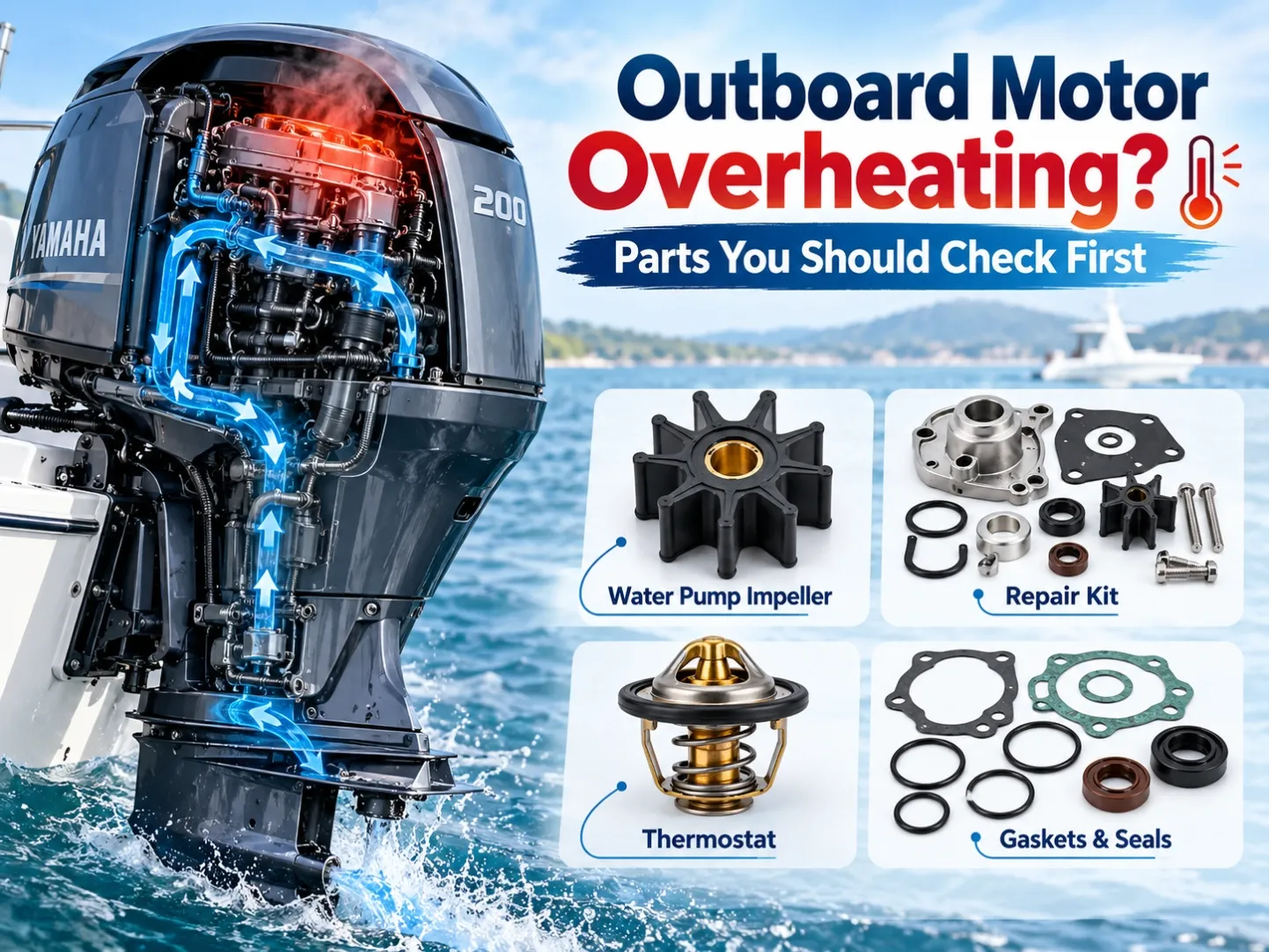
One possible cause is a worn or damaged water pump impeller. However, overheating can also result from blocked water intakes, thermostat problems, or restrictions in the cooling passages.
Understanding the warning signs can help you identify the problem and choose the correct repair parts.
1. What Does the Water Pump Impeller Do?
The water pump impeller is a flexible component that helps move cooling water through the outboard motor.
During normal operation, the cooling system draws water through the lower unit water intakes and circulates it through the engine.
If the impeller becomes worn, damaged, or unable to pump sufficient water, cooling performance may decrease.
2. Common Signs of Impeller Problems
Watch for these warning signs:
- Weak or intermittent cooling water flow
- Little or no water coming from the cooling indicator
- An engine temperature warning or overheating alarm
- Engine temperature rising above its normal range
- Visible cracks, damaged vanes, or deformation when the impeller is inspected
These symptoms do not automatically confirm impeller failure. Blocked intakes, a restricted indicator outlet, a faulty thermostat, or other cooling system problems can produce similar symptoms.
If an overheating alarm activates or cooling water flow is lost, stop the engine as soon as it is safe to do so. Do not continue running it in an attempt to clear the problem.
3. Why Do Water Pump Impellers Wear Out?
Several factors can contribute to impeller damage.
Normal wear: Repeated operation and aging can reduce the flexibility and effectiveness of the rubber vanes.
Running without adequate water supply: Operating a water pump without sufficient water can cause rapid friction and heat damage.
Sand, mud, and debris: Shallow water and debris can affect the cooling system and contribute to wear or blockages.
Long periods of storage: Rubber components may deteriorate or take a permanent set during extended storage.
Regular inspection and replacement according to the manufacturer's maintenance schedule can help reduce the risk of unexpected cooling system failure.
4. What Should You Check When an Outboard Overheats?
Before replacing parts, identify the likely cause.
Step 1: Check the water intakes.
Inspect the lower unit water intake screens for visible debris or blockage. Follow the engine manufacturer's safety and inspection procedures.
Step 2: Check the cooling water indicator.
If water flow is weak or absent, the outlet may be blocked, or the cooling system may not be circulating enough water. A clear indicator outlet alone does not guarantee that the entire engine is cooling correctly.
Step 3: Inspect the water pump.
If the symptoms indicate a possible pump problem, inspect the impeller, pump housing, seals, and related components according to the service manual.
Step 4: Check other cooling system components.
If the impeller and water supply appear normal, the thermostat, cooling passages, and other components may need professional inspection.
Always follow the engine manufacturer's instructions. If the cause is unclear or the overheating warning persists, consult a qualified marine technician.
5. Replace the Correct Parts During Repair
When repairing a water pump, selecting the correct components is essential.
Depending on the engine model and the condition of the existing parts, the repair may require:
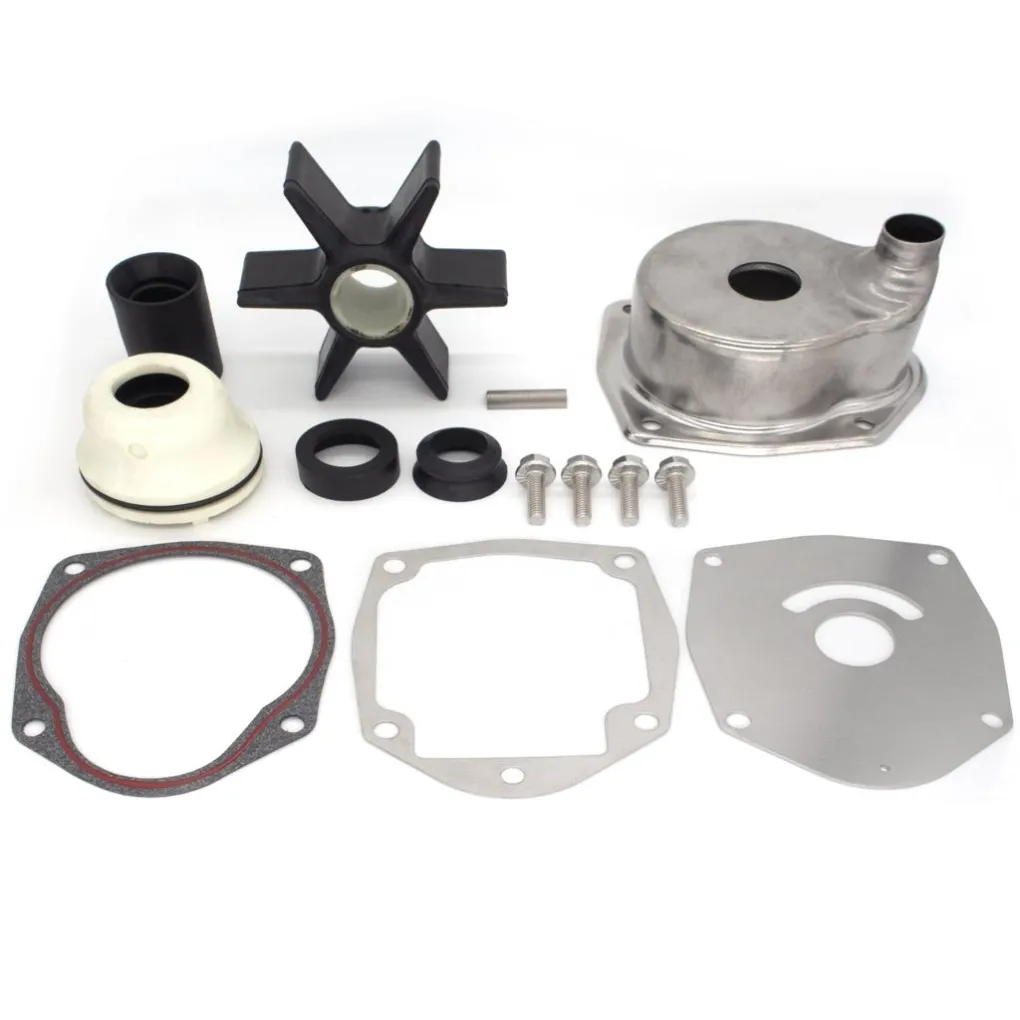
- Water pump impeller
- Water pump repair kit
- Pump housing or wear plate, where applicable
- Gaskets and O-rings
- Related seals and hardware specified for the model
Do not select an impeller based on appearance alone. Confirm compatibility using the OEM part number, engine model, serial number, or the manufacturer's parts catalogue.
Follow the specified installation procedure and replace seals or gaskets as required.
6. Prevent Future Cooling System Problems
A few maintenance habits can help protect your outboard motor:
- Inspect the cooling system at the recommended service intervals.
- Flush the engine after saltwater use, following the owner's manual.
- Check for unusual changes in cooling water flow.
- Replace worn parts before they become a serious problem.
- Keep a record of maintenance and previous repairs.
Preventive maintenance is generally easier to plan than an unexpected repair during a trip.
Source Reliable Outboard Motor Repair Parts
Tianjin Kaiyueda Bearing Trading Co., Ltd. supplies outboard motor spare parts for Yamaha, Suzuki, Honda, Tohatsu, and Mercury.
Our product range includes water pump impellers, water pump repair kits, gaskets, O-rings, oil seals, bearings, and other engine maintenance components.
Whether you are a marine parts distributor, importer, wholesaler, or repair shop, we can assist with product identification based on available part numbers and engine information.
Send us your OEM part number or engine model to inquire about suitable water pump and maintenance parts.