Oct 19, 2026
5 Signs Your Outboard Fuel Line Needs Replacing
Learn 5 signs your outboard fuel line needs replacing, including cracks, fuel leaks, primer bulb problems, engine power loss, and hose deterioration. 复制描述
5 Signs Your Outboard Fuel Line Needs Replacing
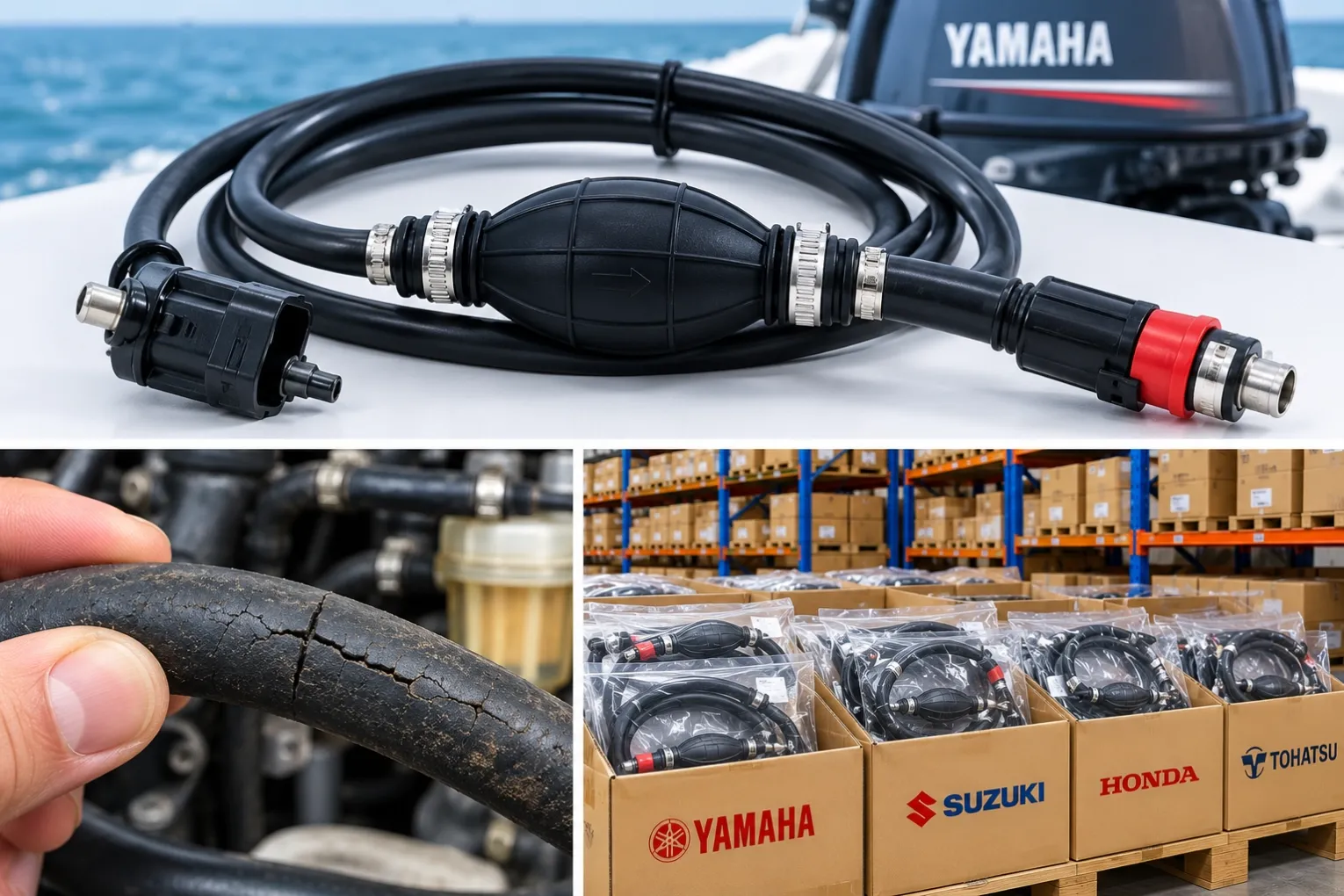
A reliable fuel line is essential for the proper operation of an outboard motor. It transfers fuel from the tank to the engine, helping ensure a consistent fuel supply.
Over time, fuel hoses, primer bulbs, connectors, and seals can deteriorate due to aging, heat, sunlight, fuel exposure, and regular use.
How can you tell when your outboard fuel line needs replacing? Here are five common warning signs every boat owner, marine mechanic, and outboard parts buyer should know.
1. Cracks or Visible Damage on the Fuel Hose
One of the clearest signs of a worn fuel line is visible damage.
Check the hose carefully for:
- Cracks or splits on the outer surface
- Brittle or hardened rubber
- Bulges, swelling, or damaged sections
- Worn areas near hose connections
Fuel hoses exposed to sunlight, heat, and harsh marine conditions may deteriorate over time.
What should you do?
Replace a visibly damaged hose with a suitable fuel line designed for your engine's fuel system. Do not continue using a hose that is cracked, swollen, or deteriorating.
2. Fuel Leaks or a Strong Gasoline Smell
Fuel leakage is a serious warning sign that should never be ignored.
You may notice wet areas around the hose, fuel connectors, primer bulb, or connection points. A persistent gasoline smell may also indicate a leak.
Possible causes include:
- A cracked or damaged hose
- Loose or deteriorated connections
- Worn seals or damaged fittings
- A damaged primer bulb
What should you do?
Stop using the engine, avoid ignition sources, and address the leak before operating the boat again. Replace damaged components and have the fuel system inspected if the source of the leak is unclear.
Never attempt to solve a fuel leak by simply tightening a connection without first checking for damage.
3. The Primer Bulb Does Not Stay Firm
The primer bulb helps move fuel through the line when preparing the engine for starting.
If the bulb does not behave normally, the fuel system may need inspection.
Possible symptoms include:
- The bulb remains soft when it should be firm during the manufacturer's recommended priming procedure.
- The bulb collapses during engine operation.
- The bulb has cracks, feels unusually hard, or shows visible deterioration.
These symptoms may be caused by a damaged primer bulb, an air leak, a blocked fuel filter, a restricted fuel line, or another fuel-system problem.
What should you do?
Inspect the entire fuel line assembly, including the bulb, connectors, and hose. Replace damaged components and check for restrictions before returning the engine to service.
4. The Engine Runs Rough or Loses Power
An outboard motor that runs unevenly, hesitates during acceleration, or loses power may have a fuel delivery problem.
A damaged, restricted, or incorrectly connected fuel line can interfere with the supply of fuel to the engine.
However, these symptoms can also be caused by a clogged fuel filter, a failing fuel pump, contaminated fuel, or ignition problems.
What should you do?
Inspect the fuel supply system systematically. Check the fuel line for kinks, restrictions, leaks, and damaged connections. If the problem continues, have the engine diagnosed by a qualified marine mechanic.
Do not assume that replacing the fuel hose alone will solve every engine performance problem.
5. The Fuel Line Is Old or No Longer Suitable for Use
Even if a fuel hose looks acceptable from the outside, age and repeated exposure to fuel and environmental conditions can affect its condition.
If the hose has an unknown service history, shows signs of deterioration, or no longer meets the requirements of the engine's fuel system, replacement may be necessary.
When selecting a replacement, check:
- Hose specifications and fuel compatibility
- Inner diameter and overall dimensions
- Connector type and connection arrangement
- Compatibility with the engine and fuel system
- Manufacturer-recommended replacement requirements
What should you do?
Follow the engine manufacturer's inspection and replacement recommendations. Choose a replacement fuel line assembly that matches the application rather than relying on appearance alone.
How to Choose the Right Outboard Fuel Line Hose Assembly
Choosing the correct fuel line assembly is important for safe and reliable operation.
Before ordering a replacement, confirm the following information:
1. Engine brand and model
Identify whether your outboard motor is a Yamaha, Suzuki, Honda, or Tohatsu model. Check the engine model and serial number where necessary.
2. OEM part number
If you have the original part number, use it as a starting point for identifying the replacement. Confirm any superseded numbers and compatibility before ordering.
3. Hose and connector specifications
Check the required hose dimensions, fuel compatibility, fittings, and connection arrangement.
4. Complete assembly or individual component
Determine whether you need a complete fuel line hose assembly, a replacement hose, a primer bulb, or individual connectors.
Providing these details to your supplier can help reduce the risk of ordering an incompatible part.
Fuel Line Hose Assemblies for Yamaha Outboard Motors
Fuel line hose assemblies are important maintenance and replacement components for outboard motor fuel systems.
For buyers looking for Yamaha outboard fuel system parts, 6Y1-24306-00 is a part number worth checking against the original parts catalog and engine application.
Before placing an order, confirm the exact engine model and the part number's compatibility. Do not rely on the part number alone if the engine application has not been verified.
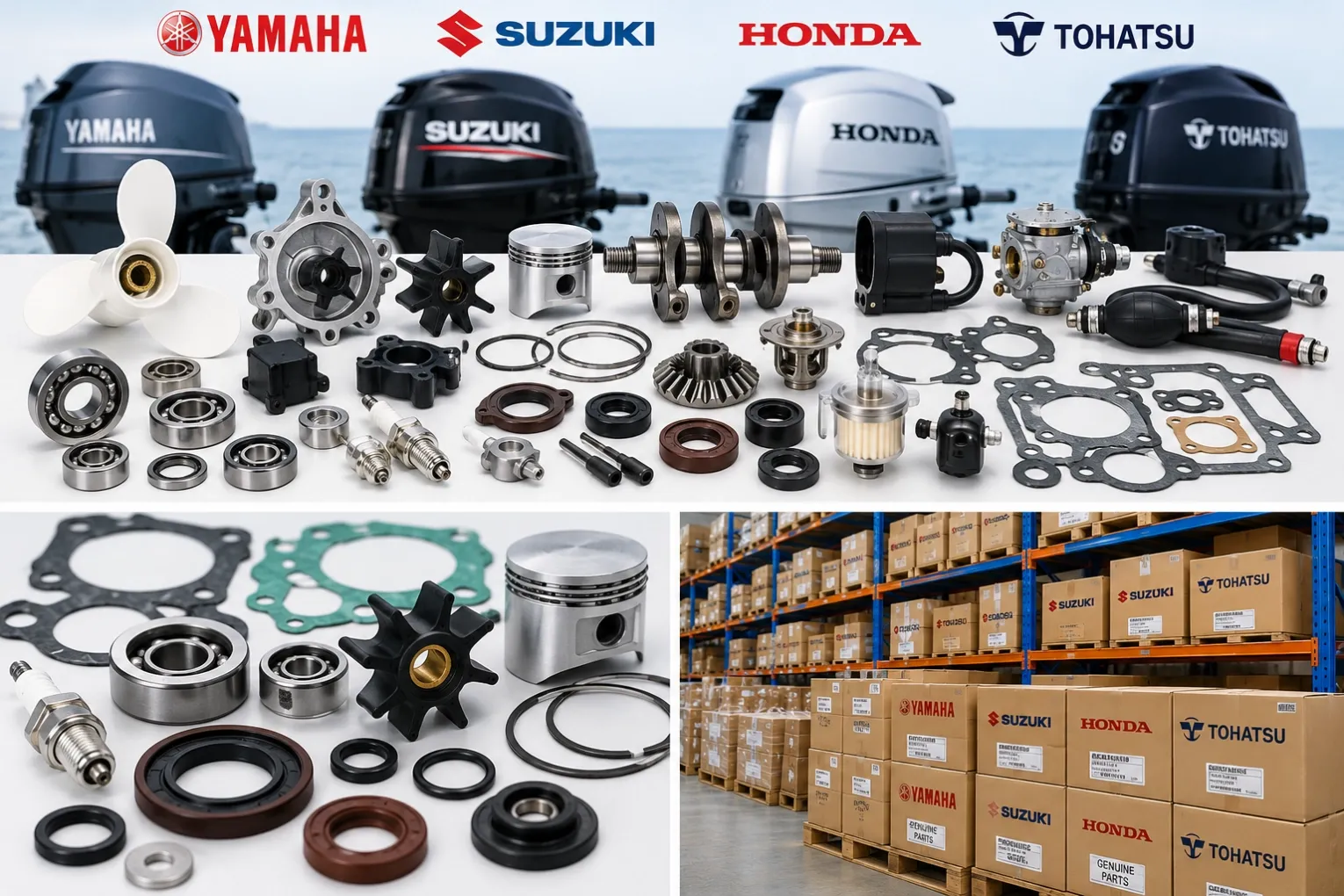
We supply a range of outboard motor spare parts for Yamaha, Suzuki, Honda, and Tohatsu applications, including fuel line hose assemblies, bearings, oil seals, gasket sets, water pump impellers, pistons, crankshafts, gear sets, and propellers.
We welcome inquiries from marine parts wholesalers, distributors, repair shops, and other B2B buyers.
Looking for an outboard fuel line hose assembly?
Send us your OEM part number, engine model, required quantity, and destination country. Contact us to check product availability and request a quotation for your order.